

IT project management software helps technology teams plan, track and deliver work such as software releases, infrastructure upgrades and migrations. This guide starts with what IT project management involves, including how IT services teams handle scope, change control and commercial handoffs. It then shows how to choose the right tool, what to look for in different industries, and which features matter most: Agile and hybrid support, scheduling, real-time tracking, cloud versus on-premise deployment, portfolio management, resource and budget control, compliance, and AI analytics. Next, it compares eight leading tools with pros, cons and pricing notes. It closes with a cutover and readiness test for infrastructure projects.
Most IT projects don’t fail because the team lacks skill. They fail because plans, budgets and dependencies live in different tools, so problems surface only after a deadline slips. When that happens, scope creeps in unnoticed, resources get overbooked, and a bad cutover can mean downtime, rework and a lost stakeholder’s trust. The right IT project management software prevents this by keeping the schedule, capacity, costs and approvals in one view, so you can spot risks while they are still cheap to fix. Use this guide to shortlist the tools that fit your team’s size, methodology and compliance needs.
What is IT project management?
IT project management is essential for planning, executing, and overseeing IT projects such as software development, infrastructure upgrades, network installations, and cybersecurity initiatives. Your primary goal is to accomplish project objectives within specified constraints like scope, time, and budget while maintaining high-quality standards. Effective IT project management ensures that your projects are aligned with business goals, resources are used efficiently, risks are mitigated, and communication is enhanced. This structured approach ensures your projects are delivered on time and within budget, improves customer satisfaction, and fosters continuous improvement, ultimately supporting your organization’s strategic objectives and driving success.
To achieve these objectives, leveraging the right IT project management software is crucial. Choosing from the many project management software tools available can be a challenge, but finding the best project management software for your IT projects is a key factor in success. Many organizations are turning to cloud based project management software for its accessibility, scalability, and cost-effectiveness. This type of project management software offers numerous benefits, including real-time collaboration, centralized data storage, and easy access from anywhere with an internet connection.
Whether you opt for a IT project management software or a more traditional, on-premise solution, selecting the right project management software is a critical decision. Consider whether you need a standalone project management software tool or a more comprehensive, integrated project management software solution that can connect with other business systems. The best project management software for IT projects will offer features tailored to the specific needs of IT teams, such as agile methodologies support, sprint planning tools, and integration with development platforms. By carefully evaluating your requirements and choosing the best project management software, you can empower your IT teams to deliver successful projects that drive business value
IT Services Project Management: Scope, Delivery and Commercial Handoffs
IT services teams, such as managed service providers, consultancies and internal shared-service groups, deliver work under an agreed scope and often a commercial agreement. That adds a second thread to the project plan: every change to the work can also change cost, price or timeline. The table shows what to keep at each stage.
| IT-Services Stage | Shared Record |
|---|---|
| Scope accepted | SOW, deliverables and exclusions |
| Delivery planned | Tasks, skills and dependencies |
| Effort reviewed | Time, expenses and forecast remaining work |
| Change decided | Scope and commercial impact approved |
| Handover accepted | Evidence, support ownership and open actions |
Keep commercial changes connected to the delivery plan so additional work is not silently absorbed into the original estimate.
| Commercial Model | What the Plan Must Track |
|---|---|
| Fixed price | The approved scope baseline and change control, so extra work is priced, not absorbed |
| Time and materials | Time and expense approvals, and forecast remaining effort |
| Managed service or retainer | Capacity committed to the client and the service scope covered |
When you compare tools, check whether time, expenses, change approvals and delivery tasks live in one record. For the basics, see our guides to controlling project scope and controlling project costs.
How to Choose the Best IT Project Management Software in 2027?
With IT projects’ growing complexity and scale, selecting the right IT project management software tools has become crucial in 2027 to ensure successful project execution.
Here’s why:
- Streamlined Planning and Execution – Look for IT project management tools that enable you to create detailed project plans, set timelines, and allocate resources effectively. This ensures that every aspect of your project is organized and managed efficiently from start to finish.
- Enhanced Collaboration and Communication – Given the prevalence of remote work, choosing project management software tools that facilitate seamless communication and collaboration among your team members and stakeholders is essential. Features like real-time updates, shared workspaces, and integrated communication platforms are crucial for keeping everyone on the same page.
- Efficient Resource Management – Select PPM tools that help you allocate and manage resources time, money, or workforce more efficiently. Optimizing resource use minimizes waste and increases productivity, improving project outcomes.
- Proactive Risk Management – IT projects often face risks that can jeopardize their success. Opt for IT project risk management tools that allow you to identify potential risks early, assess their impact, and develop strategies to mitigate them. This proactive approach helps minimize disruptions and keeps your project on track.
- Maintaining High-Quality Standards – Quality assurance is crucial in IT projects. Choose project management software that helps maintain stringent quality standards through regular testing, reviews, and checkpoints, ensuring the final product meets all requirements and specifications.
- Real-Time Tracking and Reporting – A key benefit of project management software is the ability to monitor project progress in real-time. Look for IT project management tools that allow you to track milestones, deadlines, and budgets and generate reports that provide insights into project performance. This helps you make informed decisions and adjustments as needed.
- Scalability and Flexibility – Modern project management tools should be highly scalable and customizable to fit the needs of any project, regardless of size or complexity. This flexibility makes them suitable for various industries and project types.
- Integration with Other Tools – Ensure the project portfolio management (PPM) software solutions you choose integrate seamlessly with other business tools and systems, such as customer relationship management (CRM) software, enterprise resource planning (ERP) systems, and communication platforms. This integration enhances efficiency and ensures a smooth workflow across different departments.
- Data-Driven Decision Making – Opt for project management software tools that provide valuable data insights through advanced analytics and reporting features. These insights enable you to make data-driven decisions to improve project outcomes and drive strategic success.
- Cost and Time Efficiency – Select project portfolio management software for IT that automates repetitive tasks and provides tools for efficient project management. This helps reduce costs and save time, leading to more projects being completed on time and within budget, enhancing overall business performance.
- Continuous Improvement – Choose project management software that fosters a culture of continuous improvement by encouraging regular reviews and feedback. Look for tools that allow you to document lessons learned from each project and apply them to future projects, leading to ongoing enhancements in processes and outcomes.
IT Project Management Software Adoption: Test Everyday Status Updates
In a discussion about project management tool adoption declining after rollout, the original poster described the project manager maintaining the tool while everyday coordination continued in Slack. That account is anecdotal, but it suggests a useful evaluation criterion. I would pilot one live IT project and check whether engineers can flag blockers, assign next actions, and update progress without repeating information elsewhere. Measure update effort and information freshness before expanding the rollout.
IT Project Management Software by Industry: Where It Fits and What to Look For
| Industry | Why It Is Needed | Typical IT Projects | What to Look for in a Tool |
|---|---|---|---|
| Banking and financial services | Regulated change, audit requirements and high risk at cutover | Core system upgrades, payment platform changes, security and compliance programs | Approval workflows, audit trail, role-based access and a hosting option that meets data rules. See financial project management software. |
| Healthcare and life sciences | Patient data privacy, validation and documentation requirements | Health record rollouts, system integrations, medical device software releases | Traceable change records, access controls and compliance documentation. See Agile in MedTech. |
| Manufacturing and automotive | Plants and suppliers depend on IT systems, and downtime is costly | ERP and production system rollouts, plant network upgrades, supplier integrations | Dependency scheduling, shutdown and cutover windows, vendor tracking. See manufacturing and automotive project management. |
| Telecommunications | Large infrastructure programs with many vendors and teams | Network rollouts, billing and operations system upgrades, data center migrations | Portfolio view, resource capacity planning, vendor and dependency tracking |
| Retail and e-commerce | Fixed peak seasons and customer-facing releases | Platform migrations, payment and inventory integrations, seasonal release freezes | Release calendars, cross-team dependencies, rollback planning |
| Government and public sector | Procurement rules, accountability and security requirements | Digital services, legacy system modernization, data center consolidation | Documented approvals, budget control, deployment options for data requirements |
| Energy and utilities | Critical infrastructure with strict security and safety needs | Control system upgrades, smart meter rollouts, cybersecurity programs | Risk tracking, readiness checks, handover records. See renewable energy project management. |
| Education | Fixed academic calendars and limited budgets | Student system upgrades, campus network projects, cloud migrations | Fixed-date scheduling, budget tracking, tools that small teams can adopt quickly |
| Software and SaaS companies | Frequent releases across product, engineering, support and marketing | Feature rollouts, platform migrations, security certification work | Agile support, backlog and Jira integration, release milestones |
| IT services and managed service providers | Work is delivered under a statement of work with commercial terms | Client implementations, managed migrations, support transitions | Time and expense tracking and change approvals tied to the delivery plan. See IT services project management. |
IT projects happen in every sector, but the constraints differ. A bank worries about audit trails, a manufacturer about plant downtime, and a retailer about peak-season deadlines. The table shows where IT project management software is most needed and what to check for in each industry.
Key Features and Tools to Consider When Selecting the Best IT Project Management Software
As your IT projects grow in complexity, you need more than just spreadsheets and task lists. You need IT project management software that gives you control, visibility, and flexibility. Whether managing software development, cloud migrations, cybersecurity initiatives, or enterprise digital transformation, the right IT project management tool helps you streamline execution, foster collaboration, and confidently deliver results.
Here’s your detailed breakdown of the essential features to look for when choosing IT project management software for your team.
A. Agile & Hybrid Project Management for IT Teams
If you’re using Agile, Scrum, Kanban, or Hybrid methodologies, your IT project management software should fully support them to ensure fast, flexible, and iterative delivery.
- Use Agile project management software that implements frameworks like Scrum, SAFe, and Lean to accelerate development cycles.
- Visualize tasks with Scrum boards and Kanban workflows using drag-and-drop features to optimize work-in-progress limits.
- Prioritize effectively with user stories and backlog management for better sprint planning.
- Track team performance with sprint planning tools and burndown charts that help you measure velocity and spot blockers.
- Adopt hybrid project management if you need the structure of Waterfall with the flexibility of Agile.
This is best suited for you if you’re running Agile software development, DevOps pipelines, or iterative IT infrastructure upgrades.
B. IT Project Planning & Scheduling Tools
Effective execution starts with detailed planning. Your IT project planning software should help you build structured, scalable plans.
- Break down tasks using work breakdown structures (WBS) and visualize timelines with Gantt charts.
- Leverage IT project scheduling software with Critical Path Method (CPM) and PERT for timeline accuracy.
- Track progress and dependencies with IT milestone tracking tools to ensure stakeholder alignment
- Balance workloads with resource-leveling and load-balancing features that prevent bottlenecks.
- Monitor performance using baseline tracking to compare your actual results against initial plans.
Use this to plan major IT infrastructure deployments, software releases, or enterprise transformation initiatives.
Must Check: The Ultimate Guide to Controlling the Project Schedule
C. Real-Time IT Project Tracking & Execution
You need real-time updates to make real-time decisions. Your IT project tracking software should keep you informed and in control.
- Get complete visibility with live dashboards, milestone progress tracking, and KPI updates.
- Mitigate risks early using IT risk management software that alerts you to scope creep, missed deadlines, or budget risks.
- Streamline approvals with automated workflows and escalation paths.
- Collaborate with your team through shared workspaces, version-controlled documents, and instant messaging.
- Use software for IT project execution that helps you stay on top of sprint goals, deliverables, and deployment timelines.
Ideal for overseeing cloud migrations, cybersecurity initiatives, network upgrades, and compliance-heavy IT projects.
D. Cloud-Based vs. On-Premise IT Project Management Software
You’ve got to choose what works best for your environment – cloud convenience or on-premise control.
Cloud-based IT project management software
- Access your projects anytime, anywhere—perfect for distributed or hybrid IT teams.
- Benefit from SaaS-based tools with automated backups, seamless updates, and integrations with cloud-native services.
- Use AI-driven suggestions to optimize task assignments and predict potential delays.
On-premise project management software for IT
- Gain complete control with private cloud or self-hosted deployments.
- Ensure strict compliance with ISO 27001, SOC 2, and GDPR standards.
- Customize access levels and implement your internal IT governance policies.
Choose based on whether you are reworking under strict regulatory environments or supporting remote, scalable IT operations.
You Must Check: 10 Best On-Premises Project Management Software 2026
E. IT Portfolio & Enterprise Project Management
When managing multiple IT initiatives, you need project portfolio management (PPM) software that aligns strategy with execution.
- Use enterprise project management software to track projects across departments.
- Get a top-down view with PPM tools that help you monitor your portfolio’s budgets, risks, and timelines.
- Choose cloud-based project portfolio management software if you want real-time analytics and anytime access.
Perfect for leading large-scale rollouts, digital transformation, or cross-functional IT programs.
F. IT Resource & Budget Management
Managing resources and budgets is key to your project’s health. Your IT project management tool should help you do both efficiently.
- Use IT resource management software with AI-driven staffing and skill-matching features.
- Optimize performance through capacity planning and workload balancing to prevent burnout and resource conflicts.
- Stay financially aligned using IT project budgeting software that tracks CAPEX/OPEX, vendor payments, and ROI metrics.
- Ideal for managing complex projects with multiple vendors, third-party services, and tight budget constraints.
G. Secure IT Documentation & Compliance Management
Your IT project management software should safeguard sensitive data and support compliance efforts.
- Store all project artifacts in secure, version-controlled IT documentation repositories.
- Automate audits and documentation for ISO, SOC 2, and GDPR compliance.
- Ensure role-based access and data encryption to meet enterprise-grade IT security protocols.
Best for regulated industries, client-facing IT projects, and enterprise environments with high compliance needs.
H. AI-Driven Project Analytics & Automation
Leverage the power of AI to manage smarter, not harder. The best IT project management software brings intelligent automation to your fingertips.
- Use project management software with analytics to detect risks, predict delays, and analyze trends.
- Rely on machine learning-based scheduling tools to optimize timelines based on historical data.
- Prioritize tasks with AI-based algorithms that balance urgency, effort, and resource availability.
- Enable smart resource allocation that matches people to tasks based on real-time workload.
Best if you’re managing AI-driven DevOps pipelines, software engineering sprints, or automation-heavy enterprise projects.
- When choosing your ideal IT project management software, ask yourself:
- Will it scale with your enterprise IT roadmap?
- Does it offer the flexibility to support hybrid or Agile project methodologies?
- Can it automate routine tasks and deliver predictive insights with AI?
- Is it built for compliance, data security, and IT governance?
- Will your team actually enjoy using it every day?
With the right tool, you’re not just managing projects—you’re delivering innovation, minimizing risks, and driving measurable outcomes. So, choose IT project management software that empowers you to lead with clarity, agility, and control.
You May Also Check:
8 Best IT Project Management Software Tools in 2027
These eight tools cover different IT needs, from enterprise portfolio governance to lightweight team delivery. The table summarizes how each one is described in the reviews below. Celoxis is our product. Check current plans and features before you decide.
| Tool | Best For | Notable Strength for IT Work |
|---|---|---|
| Celoxis | Large and mid-level organizations managing IT portfolios | Resource allocation, business intelligence and reporting; cloud or on-premise |
| Triskell Software | PMOs, IT leaders and transformation teams | Governed view of demand, capacity and budgets across programs |
| ProProfs Project | Startups and SMBs | Gantt, Kanban, time tracking and billing; no on-premise version |
| Asana | IT teams wanting flexible views | List, board, timeline and calendar views; Agile and Scrum support |
| Planview | Large enterprises | Strategic alignment and portfolio oversight of IT initiatives |
| Planisware | Enterprises with complex IT portfolios | Product development, roadmap planning and financial management |
| Kantata | Teams wanting an intuitive, collaborative tool for services work | Time tracking, expense management and customizable dashboards |
| Microsoft Project | Organizations in the Microsoft ecosystem | Scheduling, resource management and Gantt charts; cloud or on-premise licensing |
1. Celoxis
Celoxis is an enterprise project management and project portfolio management (PPM) tool, ideal for large and mid-level organizations aiming to streamline their IT project management processes. Recognized as the best IT Project Portfolio Management tool, Celoxis offers strategic portfolio and tactical project management. It enhances team productivity with features for IT project planning, task management, project collaboration tools, and reporting. It also enables efficient resource allocation and provides valuable business intelligence for data-driven decision-making.

Celoxis combines capability, ease of use, and cost-effectiveness. This customizable IT project management software integrates essential productivity features (such as project planning, tracking, and collaboration) with powerful business intelligence in a single package. This eliminates the need for separate BI tools, making Celoxis a comprehensive solution for achieving operational excellence and setting new industry standards.
By choosing Celoxis AI Project management tool, you adopt a platform that supports your organization’s growth and adapts to your evolving needs. Its user-friendly design and advanced features give leaders the insights and tools for effective project oversight. Whether enhancing team collaboration or securing and scaling your business, Celoxis drives your projects toward success and elevates your IT project management. You can schedule a personalised demo for Celoxis here!
- ‘Lex’ Celoxis’ Project Management AI for Streamlined Simplicity
- Top 10 Ways AI Transforming Project Management in 2026
- 10 Best AI Project Management Tools for Project Managers
Additional Celoxis Features
Celoxis stands out with features that cater to modern enterprises, emphasizing scalability, real-time insights, seamless online collaboration, and intelligent resource allocation:
- MCP Integration for AI Assistants: Celoxis supports Model Context Protocol (MCP), allowing users to connect their project management data with AI tools such as ChatGPT Desktop, Claude Desktop, and Cursor. Users can interact with projects, tasks, resources, and reports using natural language. (Currently in beta.)
- Dedicated iOS and Android Mobile Apps: Celoxis offers mobile applications that allow users to manage tasks, update project progress, submit timesheets, review dashboards, and handle approvals while on the move.
- Built-in AI Chat: Celoxis provides an AI chat capability within the platform, giving users another way to interact with project information.
- No-Code Workflow Automation: Celoxis supports customizable workflows, approvals, and business processes, helping organizations reduce manual coordination and standardize operations.
- Modern Integration Capabilities: With REST APIs, webhooks, Zapier, and n8n integration options, Celoxis enables organizations to connect project management with other business applications and automate workflows.
- Real-Time Mobile Portfolio Visibility: Managers and executives can access project health, financial metrics, and portfolio dashboards directly from their mobile devices.
- Flexible Cloud and On-Premise Deployment: Celoxis offers both SaaS and on-premise deployment options, allowing organizations to choose an approach that fits their infrastructure requirements.
Pros of Celoxis
- Advanced Features: Comprehensive suite for enterprise-level project management.
- Complex Project Management: Celoxis efficiently handles intricate and multi-dimensional projects.
- High Customizability and Integration: It provides extensive options and robust integration with existing enterprise systems.
- Business Intelligence and Reporting: The PM tool enables you with insightful analysis for data-driven decision-making.
- Exceptional Support: One of the core strengths of Celoxis project management software is its outstanding support services.
- Customized Pricing: Cost-effective scalability with a pay-for-what-you-use model.
Cons of Celoxis
- No Mobile Application: The PM software lacks a mobile app for real-time project tracking on the go.
- May Be Excessive for Smaller Needs: Extensive functionalities may be more than necessary for smaller projects or organizations.
Pricing
Celoxis typically encourages direct contact for current pricing information. It tailors costs to specific needs and usage requirements to ensure you only pay for what you need.
Considering these features and benefits, it’s easy to see why Celoxis will be a top choice for IT project management software in 2027.
You May Also Check:
- Project Management Software Demo: Key Questions to Ask
- Free Trial Project Management Software – Before You Buy
- Project Management Software Pricing and Cost Guide 2026
2. Triskell Software
Triskell Software is an enterprise-grade Project Portfolio Management (PPM) platform built for organizations that need to connect strategy, portfolios, and execution, especially when they’re managing multiple programs, shared resources, and competing priorities across departments.
It’s a strong fit for PMOs, IT leaders, and transformation teams looking to move beyond task tracking and gain a single, governed view of demand, capacity, budgets, and progress.

Key Features of Triskell Software
- Strategic alignment & prioritization: link initiatives to strategic objectives and compare scenarios before committing funding or capacity.
- Resource & capacity management: plan across teams and skills, identify bottlenecks early, and balance demand vs. available capacity.
- Financial management: manage budgets, costs, and forecasts at the portfolio/program/project level for better investment visibility.
- Hybrid PPM: manage portfolios that mix predictive, agile, and hybrid delivery models while maintaining consistent governance and visibility.
Pros of Triskell Software
- High configurability & customization: set up approval workflows, stage gates, and guardrails to standardize decision-making across portfolios.
- Flexible implementation methods: Triskell supports three implementation models, out-of-the-box, adapted, or fully customized, so you can match maturity and rollout speed to your organization.
- Scales with your organization: implementation options are designed to evolve as needs grow, making it suitable for multi-portfolio environments and expanding governance requirements.
Cons of Triskell Software
- Better suited for mid-market and enterprise: If you’re a small team looking for a lightweight tool to manage simple tasks and to-dos, Triskell may be more robust than you need.
- Steeper learning curve: With a broad feature set (strategy, portfolios, resources, financials, governance), it can take some initial onboarding time to fully leverage the platform.
Pricing
Triskell offers custom pricing based on several factors (number of users, deployment needs, integrations, etc.). For an accurate quote, contact Triskell Software directly.
3. ProProfs Project
ProProfs Project is designed to help startups and SMBs deliver projects on time and within budget. With Gantt charts, Kanban boards, task dependencies, and recurring tasks, it brings structure and clarity to complex workflows.
It combines visual planning with automation, enabling teams to manage timelines, track progress, and allocate resources effectively. By offering shared calendars, role-based assignments, and real-time updates, it ensures everyone stays on the same page, making project execution clear and efficient.

Key Features of ProProfs Project
- Workflow Automation: Automates recurring tasks, invoicing, and alerts to reduce manual workload.
- Time Tracking & Billing: Tracks billable and non-billable hours, generates timesheets, and ensures billing accuracy.
- Reports & Analytics: Provides unlimited reports on budgets, KPIs, and project profitability for better decisions.
- Client Access: Allows guest roles for clients to view project progress and share feedback securely.
Pros of ProProfs Project
- Scalable for Teams: Offers unlimited users and storage, making it ideal for growing businesses.
- Collaboration-Friendly: Enables team communication with built-in chat, task comments, @mentions, and file sharing.
- Simple User Experience: Intuitive design ensures quick adoption with minimal training needed.
Cons of ProProfs Project
- No downloadable or on-premise version
- Dark UI option not available
Pricing
ProProfs Project offers a forever-free plan for small teams, with paid plans starting at $39.97/month for unlimited users.
4. Asana
Asana is a leading IT project management software known for its versatile project views, process automation, robust collaboration tools, Agile support, powerful integrations, and user-friendly design. Teams can organize and track work using a list, board (Kanban-style), timeline, or calendar views, making complex IT projects manageable. Asana’s interface enhances collaboration and real-time progress tracking, helping teams focus on their goals. Its visual project planning and deadline management ensure timely completion. Asana’s ability to monitor projects at every stage reinforces its position as a great IT project management software. Check the list of Best Project management software here!

Key Features of Asana
- Versatile Project Views: Asana has excellent tools like Kanban boards, list views, calendars, portfolios, workloads, and timelines.
- Streamlined Task Automation: Automates tasks and integrates them with various business tools.
- Support for Agile Methodologies: Features for Agile and Scrum frameworks.
- Custom Analytics: Generates custom charts for detailed performance insights.
- Objective Tracking: Helps define and monitor goals and key results.
Pros of Asana
- Easy to Use Interface: User-friendly design for seamless navigation.
- Flexible Customization: The IT project management software provides customizable dashboards and workflows.
- Enhanced Team Collaboration: It has useful features for communication, file sharing, and status updates.
- Powerful Integrations: The project management tool integrates various tools and applications for centralized project management.
Cons of Asana
- Singular User Assignment Policy: Asana allows task allocation to a single user simultaneously, restricting responsibility distribution to streamlined clarity in accountability.
- Enhanced Data Export Capability Required: Asana needs enhanced data export features for improved functionality and usability.
Pricing
Asana provides a complementary basic version, while businesses can subscribe to premium features at $10.99 per month.
5. Planview
Planview is renowned within project management software, particularly for IT projects. Tailored for larger enterprises needing a panoramic view of their IT initiatives, Planview manages your project portfolios efficiently, making it a go-to solution for organizations keen on strategic alignment.

Key Features of Planview
- Strategic Planning and Portfolio Management: Planview offers specialized tools crafted for IT projects. These tools facilitate you in strategic planning and seamless management of project portfolios to ensure they contribute directly to company goals.
- Work and Resource Management: The PM software simplifies task allocation and resource management, enabling you to execute projects efficiently while ensuring optimal resource utilization.
- Capability and Technology Management: Planview empowers you to oversee your technological assets effectively, ensuring that IT projects have the tools and resources for success.
- Collaboration Tools: Its intuitive collaboration features foster seamless teamwork, enabling effective communication, idea sharing, and coordinated efforts.
Pros of Planview
- Focus on Strategic Alignment: Planview strongly emphasizes that IT projects align with the broader business strategy and that every project contributes meaningfully to organizational objectives.
- Comprehensive Portfolio Management: Planview provides a comprehensive overview of all IT projects, aiding you in informed decision-making and resource allocation and enhancing project outcomes.
- Scalability: Built to accommodate the needs of large enterprises, Planview seamlessly handles the complexities of managing IT projects within expansive organizations.
Cons of Planview
- Complexity for Small Teams: While ideal for larger companies, Planview may pose challenges for smaller teams due to its extensive feature set, potentially requiring time for new users to familiarize themselves.
- Learning Curve with the Interface: Despite its rich feature set, navigating Plainview’s interface may initially overwhelm new users, necessitating patience and time to master effectively.
Pricing
Planview offers a per-user, per-month pricing structure, ensuring flexibility and scalability. This model allows organizations to adjust expenses based on usage and team size, ensuring they only pay for what they need.
You May Also Check:
- Project Management Tracker vs. Excel: Which One Works Best?
- Project Management vs. Project Portfolio Management
- PPM vs PM Software: Align the Right Tool for Project Managers
6. Planisware
Planisware is a top IT project portfolio management software due to its comprehensive features, strategic focus on product innovation, scalability, and robust financial management capabilities, making it an invaluable asset for organizations aiming to excel in IT project management. Planisware is tailor-made for enterprises handling intricate IT project portfolios. It seamlessly integrates robust project management functionalities with a keen emphasis on product development, positioning it as the go-to solution for organizations prioritizing innovation and roadmap planning.

Key Features of Planisware
- Comprehensive Project and Portfolio Management: Planisware offers extensive tools for managing IT projects and portfolios, ensuring streamlined workflow and strategic alignment.
- Advanced Product Development and Roadmap Planning: With a strong focus on product innovation, Planisware provides robust development and roadmap planning tools, enabling you to drive forward-thinking initiatives in the IT sphere.
- Effective Financial and Resource Management: The project portfolio management software equips you with robust tools for managing finances and resources, facilitating efficient budgeting and resource allocation to optimize project outcomes.
- Enhanced Collaboration and Document Management: The PPM software intuitive tools foster collaboration and streamline document management processes, boosting team productivity and efficiency in IT project management.
Pros of Planisware
- Strategic Focus on Product Development and Roadmap Planning: Planisware supports IT product innovation and roadmap planning, allowing organizations to stay ahead of the curve in a competitive market.
- Flexibility and Scalability: Whether you’re a startup or a large enterprise, the IT project management software offers flexibility and scalability to adapt to evolving business needs and sizes, making it suitable for organizations at any growth stage.
- Robust Financial Management Tools: With powerful financial management features, Planisware empowers informed decision-making and optimal financial performance in IT project portfolios.
Cons of Planisware
- High Cost for Small Enterprises: Planisware PPM software provides a comprehensive and robust feature set, making it a top choice for large enterprises and complex project environments. However, this extensive functionality comes at a significant cost. The IT project management tool has expensive licensing, implementation, maintenance, and training costs, making it impractical for small IT projects.
- Cumbersome and Complex Features: Planisware’s platform is designed to handle a wide range of project management tasks, from simple to highly complex projects. However, this complexity can overwhelm smaller businesses or those with less mature project management practices.
Pricing
Planisware’s pricing is tailored to your needs and determined by your usage and team size. This approach ensures that you only pay for the required features and resources. For detailed pricing information, contact their sales team for personalized assistance.
You May Also Read:
- The Role of PMO Software in Project Portfolio Management
- Role of PPM Software in Project Management & It’s Working
7. Kantata
Formerly known as Mavenlink, Kantata is a top IT project management software solution with a modern interface, flexibility, and robust collaboration tools. Its agile framework and collaborative features make it an excellent choice for teams seeking an intuitive and effective solution.

Key Features of Kantata
- Agile and Project Portfolio Management: Kantata empowers IT teams with robust tools for agile project management and portfolio oversight, ensuring projects stay on track within the dynamic IT landscape.
- Time Tracking and Expense Management: With efficient time tracking and expense management functionalities, projects can be kept within budget and schedule.
- Customizable Dashboards and Reporting: Tailor dashboards and reports to your IT project’s needs, providing real-time insights into progress and performance.
- Collaboration and Document Management: Foster seamless teamwork and document sharing with Kanata’s collaborative tools, enhancing productivity and communication among IT project stakeholders.
Pros of Kantata
- User-friendly Interface: The PPM tool boasts an intuitive interface that facilitates quick adoption and efficient navigation for IT project teams.
- Flexibility and Adaptability: With support for various project management methodologies, the project management software adapts to the unique requirements of IT projects, ensuring flexibility in execution.
- Vital Collaboration Tools: Kantata’s robust collaboration features promote effective teamwork and communication, which are crucial for the success of IT projects.
Cons of Kantata
- Reporting Features: While comprehensive, Kantata’s reporting functionalities may differ from competing tools, potentially limiting detailed project analysis.
- Integration with External Tools: Enhancements in integrating with external tools could further elevate Kantata’s usability and effectiveness within the IT project management ecosystem.
Pricing
Kantata’s pricing structure is customized to your specific needs and requirements. To get detailed pricing information tailored to your organization, it’s best to contact their sales team. They’ll work with you to understand your usage and team size, ensuring you get a pricing plan aligned with your budget and objectives.
- You may also check: Project Management Trends That Are Here to Stay in 2026
8. Microsoft Project & Portfolio Management
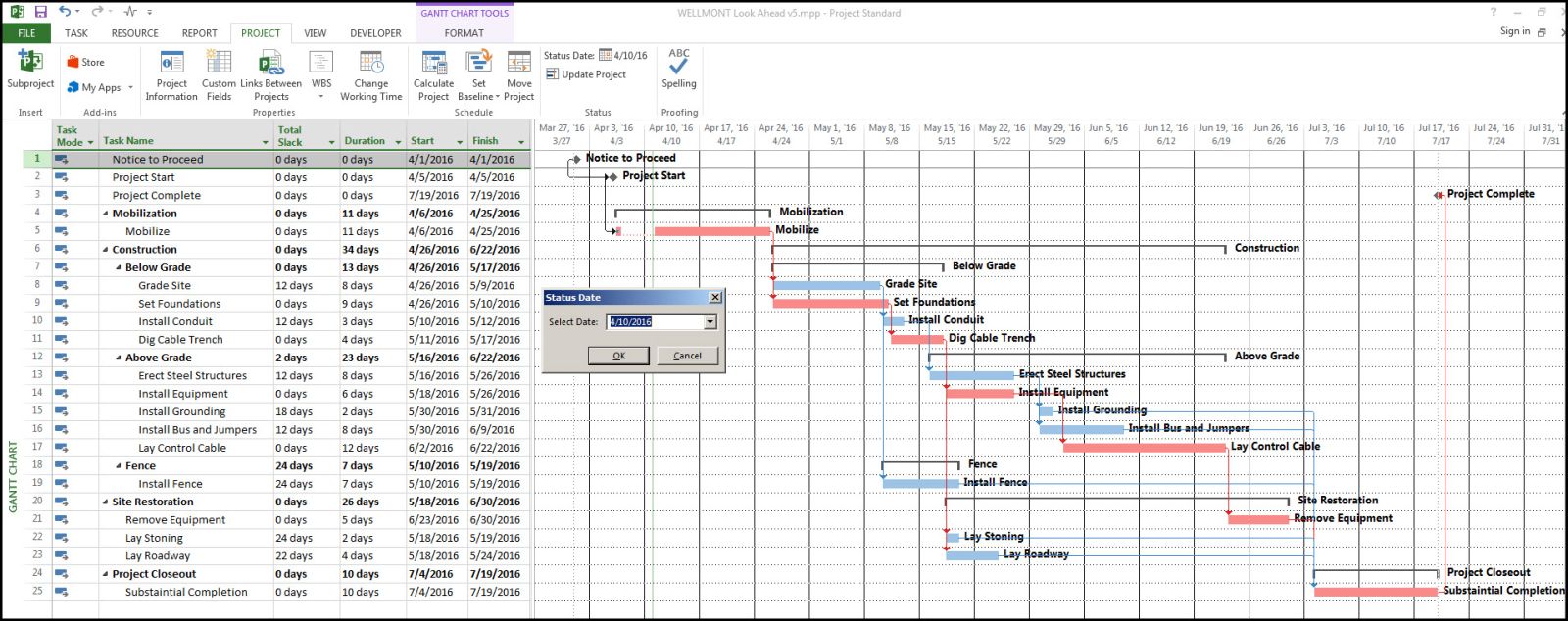
For your IT project management needs, Microsoft Project is a tried-and-tested solution deeply integrated into the Microsoft ecosystem.cIt provides a robust suite of project management tools tailored for project scheduling, resource management, and collaboration, making it an ideal choice for you for effective IT project management solutions.
Key Features of MS Project
- Gantt Charts for Visual Planning: Enjoy the ease of intuitive Gantt charts, which aid in visual project scheduling and management and are essential for your IT project planning.
Must Check: Top Gantt Chart Software Tools for Project Managers in 2026
- Seamless Integration with Microsoft Office: Seamlessly collaborate using familiar Microsoft Office applications, enhancing productivity across your projects.
- Effective Resource Management and Budgeting: Drive efficiency with comprehensive resource management and budgeting tools, ensuring optimal allocation and budget adherence.
- Project Portfolio Management (PPM): Gain valuable insights into project portfolios and make informed decisions with Microsoft Project’s robust PPM capabilities.
The Best Alternative to Microsoft Project
Pros of MS Project
- Familiarity with Microsoft Ecosystem: If you’re deeply entrenched in the Microsoft ecosystem, Microsoft Project offers a seamless experience that leverages your existing familiarity for efficient adoption.
- Robust Project Scheduling and Resource Management: Benefit from powerful tools for project scheduling and resource management, crucial for the success of your IT projects.
- Extensive Reporting Tools: Access a range of reporting tools, enabling thorough analysis and insights into your project performance.
Best Microsoft Project Alternatives & Competitors
Cons of MS Project
13 Reasons not to use Microsoft Project
- Cost-Prohibitive for Small Businesses: Microsoft Project’s pricing model may present challenges for smaller businesses like yours with limited budgets, potentially restricting accessibility.
- Learning Curve for New Users: Be prepared for a learning curve with Microsoft Project, especially compared to more modern alternatives, requiring time and effort to achieve full proficiency.
You May Also Check:
- Microsoft Project vs Monday.com vs Celoxis Comparison
- Jira, Microsoft Project, and Celoxis Compared: Best Pick for 2026
Pricing
Microsoft Project offers flexible pricing options designed to suit diverse needs and budgets. Whether you opt for cloud-based subscriptions or perpetual licenses for on-premises deployment, their pricing structure caters to various preferences.
IT Infrastructure Project Tools: Test Cutover and Operational Readiness
Infrastructure work, such as network upgrades, migrations and data center changes, succeeds or fails at cutover. Before you commit to a tool, run the test below on your shortlist, using the same scenario for each tool.
Evaluate the tool with a change window, dependent teams and a rollback decision. Record readiness checks, authorized approvers and the latest point at which rollback is feasible. Show how issues during cutover are assigned and escalated. Retain the handover record so operations can identify what changed, who owns support and which actions remain open.
| Test Step | What a Pass Looks Like |
|---|---|
| Schedule the change window | The window, dependent teams and their tasks appear in one plan |
| Record readiness checks | Each check has an owner, a status and an authorized approver |
| Show the rollback point | The latest feasible rollback time is visible and tied to the decision |
| Handle a cutover issue | The issue is assigned and escalated to a named owner |
| Retain the handover record | Operations can see what changed, who owns support and which actions remain open |
Infrastructure handover checklist
- Configuration and change records identify the approved version.
- Monitoring and support ownership are agreed.
- Required access is tested for the receiving team.
- Known issues have an owner and review date.
- Recovery procedures and contact routes are accessible.
- The service owner records acceptance or outstanding conditions.
For related guidance, see IT project risk management and cloud-based vs on-premise project management software.
IT Migration Planning: Define Acceptance Criteria Before Marking Work Complete
A consultant’s account of an IT migration with planning documents but unresolved implementation work describes files reaching their destination without reaching their intended organization. This single practitioner’s experience illustrates why a completed transfer needs a clearly defined acceptance process. I would evaluate project management software using a small migration project: assign responsibility for validating access, accepting the handover, and confirming that each milestone meets its documented requirements.
Conclusion
The best IT project management software depends on how your team works. Agile software teams need strong sprint and backlog tracking. IT services teams need time, expense and change approvals tied to the delivery plan. PMOs and large IT departments need portfolio, capacity and cost control in one place. Whichever group you belong to, shortlist two or three tools and test them on real work, not demos. Run a small migration through handover and acceptance, then pilot one live project to see whether engineers will keep status updates current. Celoxis is a strong fit if you need portfolio visibility, resource planning, built-in reporting, and a choice of cloud or on-premise deployment.


Comments
0 responses